

Diagnose, fix or perform installation of internet, data or telecommunication services

Technican arrives at your home or business within 24 hours

We guarantee competitive prices and complete transparency with our customers.
We are specialised in phone and data cabling installation for all types of clients. We design the data network as per business requirement and provides the best cost effective structure to your business. We install, repair and maintain using Cat 5, Cat6 and fibre optic network.
Every business has different requirements in relation to their network and the way they handle their voice, data & internet solutions. We customise the network design as per space, budget your business nature, we also consult with ISPs ( Telstra, Optus etc) so you could get the best cost effective and reliable network for your business.
We perform the following tasks

Phone cabling, internet cabling, cat6 data cabling & even the NBN, within Australia requires a licensed ACMA certified technician to perform installation or maintenance on residential and commercial structures.
So if you’ve just got the Telstra/NBN connected or need an extra phone point installed or lead in cable, you’ll still need a registered approved cabler to install and terminate your cabling.
Your Network. Our Expertise.
One experienced team for your networking, cabling, fibre optic, NBN, IT and connectivity requirements.
From residential jobs to large commercial and industrial projects, Mr Data Cabler provides multiple networking, cabling, fibre optic, NBN, IT and connectivity services.
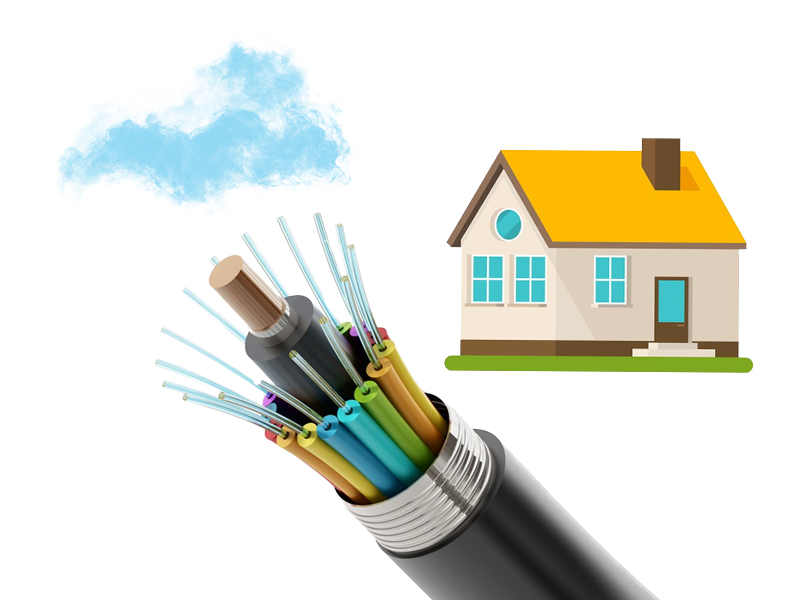
Fibre installation, fusion splicing, fibre repairs, OTDR testing, fault finding, underground fibre, termination and testing.
We help with open circuits, poor connections, internal cabling issues, MDF jumpering, damaged cabling and network performance problems.

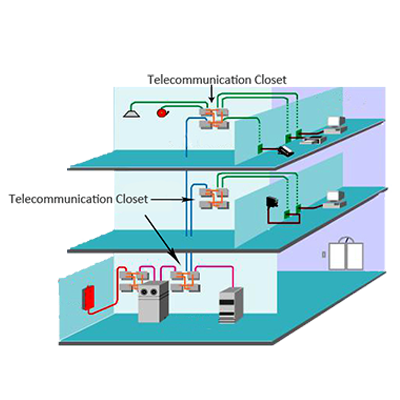
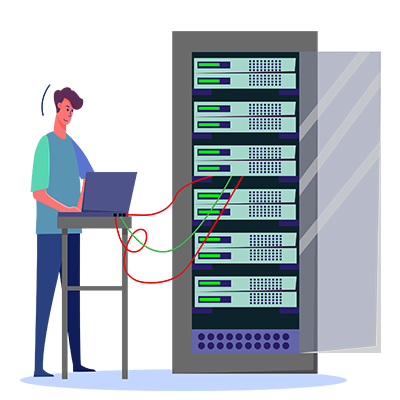
Installation, termination, testing, certification, rack setup, patch panels, cable management and network connectivity for businesses.
Experienced in commercial offices, warehouses, industrial sites, new builds and office fit-outs with reliable network solutions.
IT field support, Starlink installation and other telecommunications services from one experienced team.
Whether you need fibre optic installation, NBN fault finding, structured cabling, underground fibre repair, IT field support or Starlink installation, Mr Data Cabler can provide professional solutions for residential, commercial and industrial requirements.
Get a Free QuoteFind answers to common questions about NBN, fibre optic, structured cabling, Starlink, internet repairs and IT field support.
If you mean NBN-approved armoured internal fibre optic cable, it can be a better option for some installations because it gives the fibre extra mechanical protection compared with standard indoor fibre.
Why armoured internal fibre can be better:“Armoured” does not automatically mean NBN-compliant. The particular cable needs to meet the applicable NBN requirements/specification for the type of internal installation.
If you mean NBN-approved armoured internal fibre optic cable, it can be a better option for some installations because it gives the fibre extra mechanical protection compared with standard indoor fibre.
Why armoured internal fibre can be better:The particular cable needs to meet the applicable NBN requirements/specification for the type of internal installation.
Mr Data Cabler is a Melbourne-based option for fibre optic splicing and fibre network work.
Fibre optic services include:Mr Data Cabler services Melbourne metropolitan and surrounding areas, including northern, western, eastern and south-eastern suburbs.
A bridge tap is an unwanted extra branch of copper telephone cable connected to a DSL/NBN copper line but not connected to an active service or termination.
Effects of a bridge tap include:A bridge tap can often be identified using TDR/DSL test equipment. Bridge taps are primarily a copper-pair issue and are not normally an issue with a properly installed fibre-optic connection.
For a warehouse, industrial-grade OS2 single-mode fibre is generally recommended for long runs or installations intended to remain useful for many years.
A typical commercial warehouse setup can use OS2 9/125 µm single-mode, LSZH, armoured fibre in conduit where mechanical protection is required.
Mr Data Cabler provides NBN installation, troubleshooting and repair services including internal cabling, internet and sync issues, fibre optic work and commercial network maintenance.
Fibre services include installation, fusion splicing, OTDR testing, fault detection and fibre repairs.
For faults in the external NBN network itself, customers should contact their internet provider, who can troubleshoot and lodge a fault with NBN where necessary.
Mr Data Cabler offers more than basic data-point installation and can provide telecommunications and network infrastructure services.
Starlink can be a useful alternative to NBN, particularly where an NBN connection is slow, unreliable, unavailable, or the property is difficult to service.
Starlink is not automatically better than NBN. Where good FTTP NBN is available, fibre generally provides a stable fixed connection without dependence on satellite visibility.
Usually no. Fibre optic is generally faster than Starlink, especially with good NBN FTTP fibre.
Starlink's major advantage is availability for remote, rural, construction or temporary sites where wired broadband is poor or unavailable.
IT field support is hands-on technical support delivered at the customer's site.
MDF jumpering is the process of connecting a customer's telephone or DSL service to the appropriate MDF (Main Distribution Frame) termination point using a jumper wire.
A technician typically:MDF jumpering is common in apartment buildings, commercial buildings, offices, older residential complexes, telco rooms and NBN FTTB/FTTN environments.
An open circuit means there is a break somewhere in the electrical/copper path, so the signal cannot travel from one end to the other.
Mr Data Cabler can troubleshoot and repair many types of open-circuit faults in customer-side telecommunications cabling.
Common causes include:A technician can test the cable pair, locate the open circuit, check MDF and termination points, repair or re-terminate the damaged section, replace cable where necessary and test the service after repair.
Yes. Mr Data Cabler offers structured cabling services across Melbourne, including commercial offices, warehouses, industrial sites and other business environments.
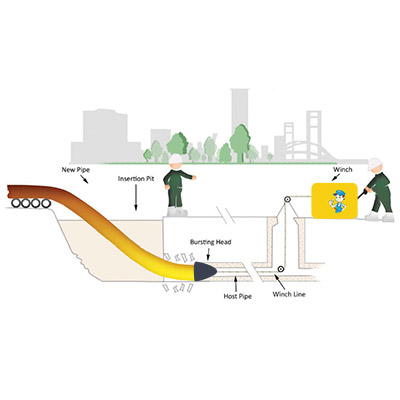
Yes. Mr Data Cabler provides underground fibre optic installation, fault finding and repair services across Melbourne.
Underground fibre optic repair can include:Mr Data Cabler offers a complete telecommunications and network infrastructure service rather than only basic data-point installation.
NBN in Australia uses several different access technologies. The main difference is what carries the connection from the NBN network to the customer's premises.
For cabling technicians, the technology matters because the fault-finding approach is different. FTTN faults may involve copper pairs, MDF, bridge taps or internal cabling, while FTTP faults may involve fibre, NTD, optical levels or customer Ethernet networks.
Internet dropouts can come from different parts of the connection, so the right person to fix them depends on where the fault is.
Common causes:First contact your internet provider. If the provider suspects the problem is inside the premises/building cabling, a registered cabler such as Mr Data Cabler can investigate the physical cabling.
A technician can test the path from MDF to copper/fibre cable to wall outlet/NTD to router and identify issues such as open circuits, poor termination, bridge taps, high resistance or fibre faults.
Our friendly telephone technicians and network engineers will contact you at the time you've requested and provide a free no obligation quote. We provide exceptional quality services.